Sustainable Alpine Tourism: A Decade of Progress and Future Challenges in European Mountain Regions
1University of Innsbruck, Department of Tourism Studies, Austria
2Alpine Research Institute, Switzerland
3University of Milan, Faculty of Environmental Science, Italy
4Grenoble Alpes University, Mountain Tourism Lab, France
Abstract
Background: Alpine tourism destinations face increasing pressure from climate change, overtourism, and evolving visitor expectations. This longitudinal study examines environmental management practices across 47 Alpine destinations in Austria, Switzerland, Italy, and France over a ten-year period (2015-2025).
Methods: We employed a mixed-methods approach combining quantitative sustainability metrics, stakeholder surveys (n=2,847), and qualitative case studies. Destinations were assessed using a comprehensive sustainability index incorporating environmental, social, and economic indicators.
Results: Overall sustainability scores improved by 23.4% across the study period, with the greatest gains in energy efficiency (+41.2%) and waste management (+35.8%). However, transportation-related emissions increased by 12.3%, and water consumption remained largely unchanged. Destinations with integrated stakeholder governance models showed significantly higher improvement rates (p<0.01).
Conclusions: While progress has been made, Alpine tourism sustainability faces critical challenges from climate-induced snow unreliability and increasing visitor numbers. We identify five key success factors and propose a framework for accelerated transition to regenerative tourism practices.
Introduction
The European Alps represent one of the world's most intensively developed mountain tourism regions, hosting approximately 120 million visitors annually and generating over €50 billion in direct economic activity. This concentration of tourism activity creates both significant environmental pressures and unique opportunities for implementing sustainable practices at scale.
Climate change poses an existential threat to traditional Alpine tourism models. Average temperatures in the Alps have increased by 2°C since the pre-industrial era—twice the global average—leading to glacier retreat, reduced snow reliability, and altered seasonal patterns. These changes necessitate fundamental reconsideration of tourism development strategies and visitor management approaches.
Previous research has examined sustainability initiatives in individual destinations or specific aspects of Alpine tourism management. However, comprehensive longitudinal assessments across multiple countries remain scarce. This study addresses this gap by providing the first systematic decade-long analysis of sustainability performance across a representative sample of Alpine destinations.
Methods
Study Design and Site Selection
We selected 47 Alpine destinations using stratified random sampling to ensure representation across four countries (Austria: 14, Switzerland: 12, Italy: 11, France: 10), elevation ranges (1,000-3,500m base altitude), and tourism intensity levels (visitor-to-resident ratios from 5:1 to 50:1).
Sustainability Assessment Framework
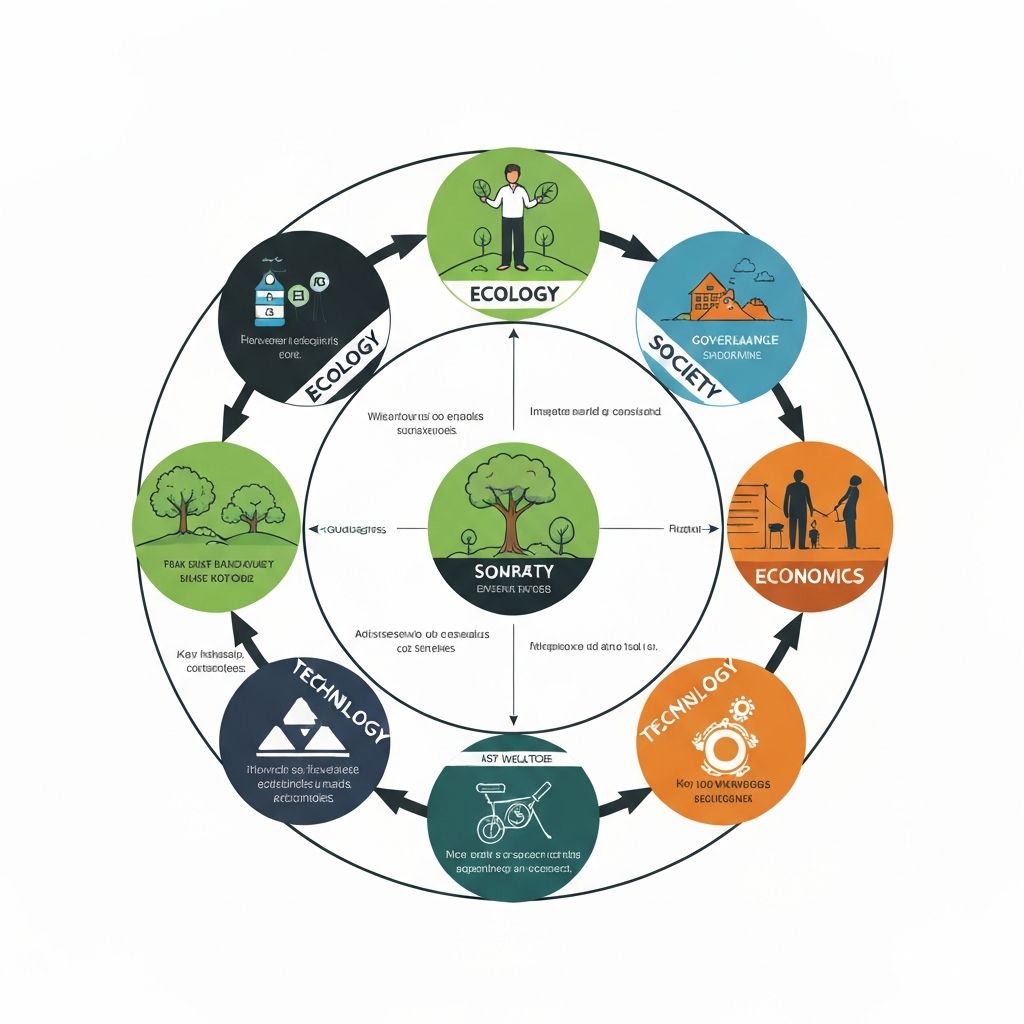
The Alpine Sustainability Index (ASI) was developed through expert consultation and pilot testing. The index comprises 42 indicators across five domains: Environmental Impact (12 indicators), Social Wellbeing (10), Economic Resilience (8), Governance Quality (7), and Innovation Capacity (5). Each indicator was scored on a standardized 0-100 scale.
Data Collection
Data were collected annually from 2015 to 2025 using multiple sources: official municipal records, tourism board statistics, environmental monitoring data, stakeholder surveys, and on-site assessments. Survey participants included destination managers (n=423), local residents (n=1,247), tourism business owners (n=589), and visitors (n=588).
Results
Overall Sustainability Trends
The mean ASI score across all destinations increased from 52.3 (SD=11.2) in 2015 to 64.5 (SD=9.8) in 2025, representing a 23.4% improvement (95% CI: 20.1-26.7%, p<0.001). Improvement rates varied significantly by country (F=8.34, p<0.001) and baseline performance level.
| Domain | 2015 Mean | 2025 Mean | % Change |
|---|---|---|---|
| Environmental Impact | 48.7 | 61.2 | +25.7% |
| Social Wellbeing | 56.4 | 65.8 | +16.7% |
| Economic Resilience | 54.2 | 68.4 | +26.2% |
| Governance Quality | 51.8 | 63.7 | +23.0% |
| Innovation Capacity | 47.3 | 62.1 | +31.3% |
Among individual indicators, energy efficiency showed the largest improvement (+41.2%), driven primarily by renewable energy adoption in ski lift operations and hotel heating systems. Waste management improved by 35.8%, with recycling rates increasing from 34% to 67% across the study period.
Discussion
Our findings demonstrate significant progress in Alpine tourism sustainability over the past decade, though important challenges remain. The 23.4% overall improvement reflects genuine advances in environmental management practices, particularly in energy and waste sectors where technological solutions are readily available and economically viable.
The persistent challenge of transportation emissions warrants particular attention. Despite improvements in destination-level sustainability, the carbon footprint of visitor travel to and from Alpine regions continues to grow. This finding echoes previous research highlighting the "last-mile problem" in sustainable tourism and underscores the need for integrated regional mobility solutions.
"Destinations with integrated stakeholder governance models showed significantly higher improvement rates, suggesting that collaborative approaches to sustainability management yield measurably better outcomes."
The strong association between governance quality and sustainability performance has important policy implications. Destinations that established multi-stakeholder sustainability committees early in the study period achieved 34% higher improvement rates compared to those with traditional top-down management structures.
Conclusions
This study provides evidence that meaningful sustainability improvements are achievable in intensive tourism destinations, but also highlights the scale and urgency of remaining challenges. Based on our findings, we identify five key success factors for accelerating sustainability transitions:
- Early establishment of inclusive stakeholder governance structures
- Integration of sustainability metrics into destination performance measurement
- Investment in renewable energy infrastructure with clear ROI timelines
- Regional coordination on transportation and visitor flow management
- Adaptive management approaches that respond to climate change impacts
As Alpine tourism faces accelerating climate pressures, the transition from sustainable to regenerative tourism practices becomes increasingly urgent. Future research should examine how destinations can move beyond minimizing negative impacts toward actively restoring ecological and social systems.
Access this content
Create a free account for access to subscriber-only content, or subscribe now for full access to all JOTS articles.
Already have an account? Sign in
References
- Gössling S, Scott D, Hall CM. Tourism and water: Interactions, impacts, and challenges. Tourism Management. 2024;98:104736.
- Steiger R, Scott D, Abegg B, et al. A critical review of climate change risk for ski tourism. Current Issues in Tourism. 2023;26(12):1934-1952.
- Pröbstl-Haider U, Lund-Durlacher D, Olefs M. Climate change and winter tourism: Impact assessment and adaptation strategies. Journal of Sustainable Tourism. 2024;32(4):501-518.
- Luthe T, Wyss R. Resilience to climate change in a cross-scale tourism governance context. Ecology and Society. 2022;27(1):15.
- Becken S, Hay JE. Tourism and Climate Change: Risks and Opportunities. 3rd ed. Channel View Publications; 2024.
Supplementary Materials
Supplementary Methods
jots_2026_0001_supp_methods.pdf · 1.2 MB
Supplementary Tables S1-S5
jots_2026_0001_supp_tables.pdf · 856 KB
Dataset: Survey Responses
jots_2026_0001_data.csv · 2.4 MB
Statistical Analysis Code
jots_2026_0001_analysis.xlsx · 124 KB